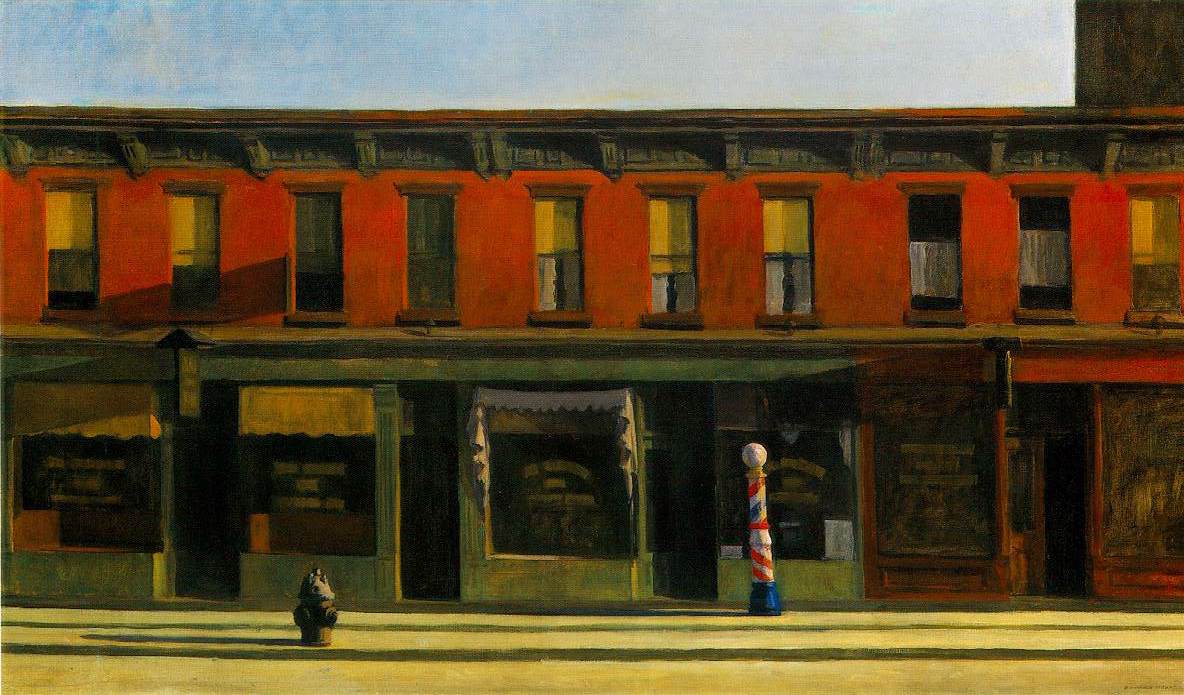
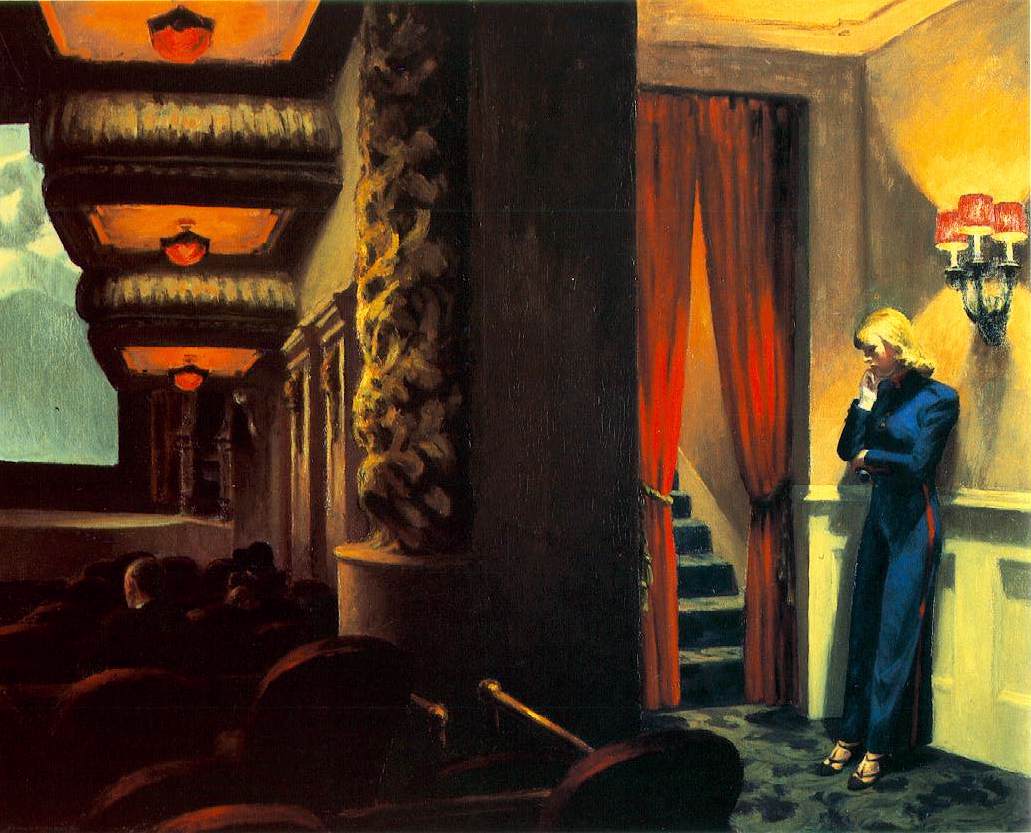
this is an exercise in playing with expressions.
is the china on display
when the bull walks in
the bush
is chirping and
my hand is empty
i tried to
throw a stone with
my jelly arm
but my sleeve is like the glass
busted.


Gebauer and Wulf, in their essay, attempt to break down the essential building blocks of the concept known as "mimesis." They assume, probably for good reason, that the reader already is familiar with the term (which I was not). So I looked it up on Dictionary.com. mimesis, according to The American Heritage Dictionary is "The imitation or representation of aspects of the sensible world, especially human actions, in literature and art." It also concerns Rhetoric, another important concept of the ancient greeks; the power of argument, and the ability to imitate another's argument (and his persona) through his words. mimesis is then understood to be a form of heightened imitation, not to be confused with the sincerest and most artistic form of flattery; this is an attempt at recreating the essence of something else through poetry, music, visual art, and the written word.
The essay begins by establishing the complexity of the term, and summing it up in three pre-platonic dimensions: "imitation," "representation," and "expression." These are the buzzwords for the essay. Most of the ideas revolve around extrapolating these three words and expanding their meaning with regards to the overarching meaning of "mimesis." Plato's mimesis also included ideas like "emulation" and "transformation." Transformation is key here because it is an active word; unlike it's preceding descriptors, it refers to mimesis as something dynamic. It's more than a mirror, it's a doorway that the artist opens, and one must step through. To Plato, it's the production of a world of appearances, of image. The essay then explains Aristotle's expansion of this, including detailed work on literary mimesis.
Next the essay moves to the origins of the concept, both etymologically and conceptually, based on the work of Koller, Else, and Goran. It is important to note the linguistic root of the word, mimos, which is used to derive other words which mean "imitation," "representation," and "portrayal." According to Koller the Greeks, especially Plato, restricted the meaning of the word and eventually "falsified" it. He instead concludes it must have derived from music and dance, not simply the aesthetic. The essay then goes on to further explore the many derivations and origins of the word throughout history, but mostly concerning it's use around the fifth century, and of course, during Plato's time.
The third section of the essay strictly concerns Plato's point of view, regarding mimesis as imitation, illusion, and image. It describes mimesis in it's entirety before the work of Plato; limited to three definitions:
1. mimesis as imitation of a concrete action.
2. mimesis as imitation or emulation.
3. mimesis as a metaphor.
The conflict between writers and philosophers also comes into play, especially concerning mimesis of the "noble and perfect life," to which philosophers claim the ability, while simultaneously downplaying such an act. The essay then expands on Plato's writings with some of his later work, including the relationship between mimesis and poetry, mimesis and education, and education and poetry. Apparently poetry once played an important role in education (again, I did not realize this). The essay talks of the criteria necessary for poetry to be useful in education, applying this limitation to music as well (all Plato's ideas on the matter, that is). Then Plato's definition of mimesis, according to The Republic, is stated in twelve bullets, expanding on the original three while creating new rules for it's use.
Finally, the essay turns to more radical ideas concerning mimesis, including some more modernist theories. It discusses how Plato's point of view is an ontological one, and that artistic representation can sometimes be the representation of something phenomenal, thereby bringing artistic creation closer to God than, say, a craftsmen. The idea of images as appearance is also explored, with an example of the philosophy of real existence from The Sophist. The essay plays with the idea of mimesis ultimately capturing an essence, and finally summarizes Plato's views as discussed throughout the essay.
REACTION